Choosing a bulk supplies vendor is a decision you live with for months or years, not a one-time purchase. A bad fit shows up as late deliveries, inconsistent quality, and price hikes buried in a renewal clause you didn't read closely enough. What follows is a practical checklist to evaluate vendors before you commit.
1. Catalog breadth and depth
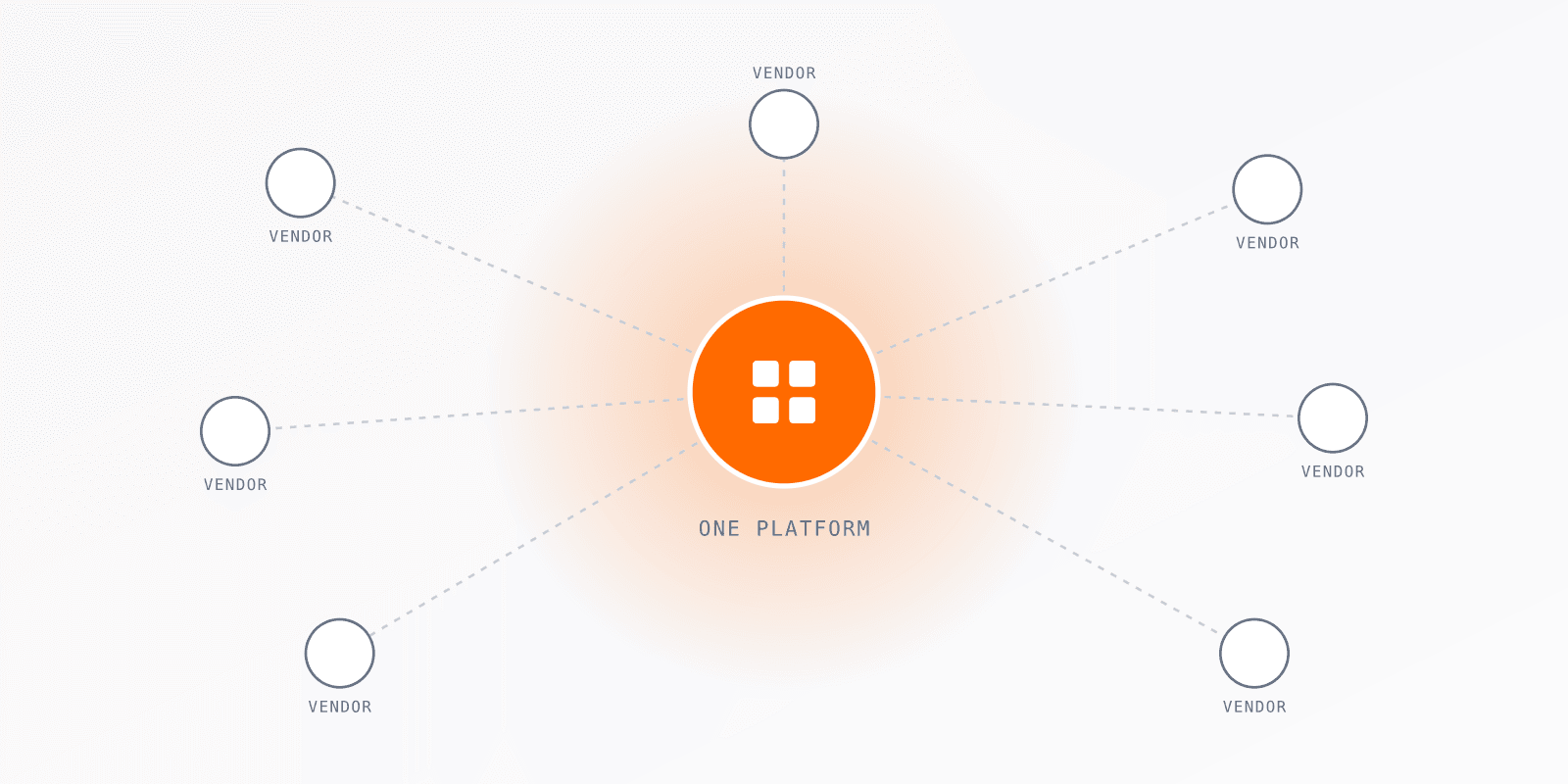
Can this vendor cover office supplies, pantry, cleaning and facility consumables under one account, or will you still need three other vendors for everything they don't stock? Breadth matters less for the price of any single item and more for how much vendor sprawl you avoid.
2. Pricing structure and transparency
- Is pricing consistent across locations, or does it vary by branch or negotiation?
- Are there published volume discounts, or is every price a fresh negotiation?
- Are there hidden charges (delivery minimums, rush fees, restocking fees) that don't show up until the invoice?
3. Delivery reliability and lead time
Ask for actual fulfillment data, not just a stated SLA: average delivery time, on-time delivery rate, and what happens when an item is out of stock. A vendor that promises next-day delivery but can't produce their own fill-rate numbers is telling you something.
4. Multi-location support
If you operate across cities, can this vendor serve all of them at consistent pricing and service levels, or does "national coverage" actually mean a patchwork of regional sub-contractors with wildly different standards?
5. Account and reporting tools
Bulk procurement without visibility is just guesswork at scale. Look for a vendor that gives you consolidated spend reporting across categories and locations, not one invoice per order that someone has to manually reconcile into a spreadsheet.
6. Contract flexibility
- What's the minimum commitment, and what happens if your order volume drops?
- Can you add or remove categories without renegotiating the entire contract?
- Is there a clear exit clause, or are you locked in past the point where the relationship stops working?
7. Quality consistency
Ask for samples or references from other clients at a similar order volume. A vendor that's excellent for small, occasional orders doesn't automatically hold quality at ten times the volume.
A simple scorecard
Score each prospective vendor 1–5 across the seven criteria above, weighted by what matters most to your business. A single-location company should weight multi-location support lower, while a company expanding fast should weight it higher. Vendors that score well across the board, not just on price, are the ones worth a pilot order before a full commitment.
Red flags to walk away from
- Pricing that's only available after a sales call, with no published rate card.
- No clear answer on what happens to unfulfilled or backordered items.
- Reluctance to start with a smaller pilot order before a long-term contract.
- No dedicated account contact: every issue routes through a general support queue.
The right vendor relationship should get easier to manage as your order volume grows, not harder. If you're evaluating vendors against this list and one of your gaps is "no single vendor covers all our categories," that's exactly the problem Nxtby's procurement platform is built to solve: office supplies, pantry, cleaning and facility essentials through one account, one delivery standard, and one report.